

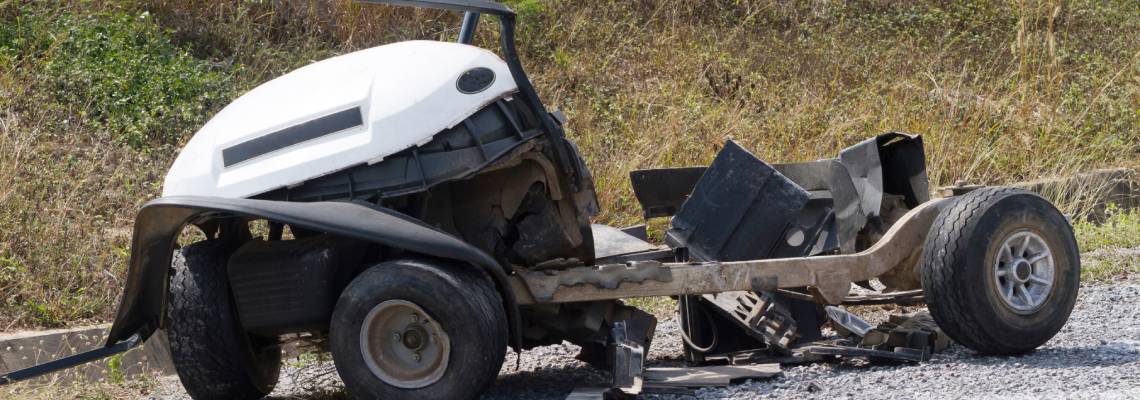
Rollover Injuries and Ejections in Florida Golf Cart Crashes: Who May Be Liable?
The driver cut a corner too fast; the cart tipped, and suddenly you were on the pavement with no door or belt to hold you in. In Florida, liability for a golf cart rollover or ejection may fall on the driver, the cart's owner, a manufacturer or modifier, or the party responsible for unsafe road conditions.
More than one party may share responsibility. Your own role matters too, since it can reduce or even bar what you recover. If you're dealing with serious injuries and unexpected medical bills, determining who was at fault can add another concern.
At Oldham & Smith Attorney at Law, we help injured drivers, passengers, and bystanders throughout Lake County and across Florida identify potentially responsible parties and pursue personal injury claims. A free consultation with us can help you understand your legal options. Schedule one today.
Why Golf Cart Rollovers Lead to Ejections
Golf carts can overturn during sharp turns, sudden maneuvers, or travel across uneven ground. Their relatively narrow wheelbase and open-sided design can leave passengers vulnerable when a rollover occurs.
Florida's golf cart equipment rules focus on brakes, steering, tires, a rearview mirror, and reflectors, and they don't list seat belts, so many standard golf carts lack them. In a rollover, riders may be thrown from the cart or trapped beneath it, causing serious injuries.
That's why two questions matter: Why the cart tipped, and why the injuries were so severe. The answers can point to different people.
The Driver's Role in a Rollover
A driver may be responsible when careless operation causes a rollover. Taking turns too quickly, cutting across a grassy slope, overloading the cart, or swerving while distracted can support a negligence claim, meaning the driver failed to use reasonable care.
Breaking golf cart rules can strengthen that argument. In Florida, carts may generally operate on designated public roads and under certain statutory exceptions. Nighttime operation is restricted and requires specific equipment when permitted.
On public roads, an operator under 18 generally needs a learner's permit or driver's license. Adult operators must carry valid government-issued photo identification. A violation doesn't automatically prove fault, but it may support a negligence claim when connected to the crash.
Why the Owner May Be Responsible Too
The Florida Supreme Court has held that a golf cart operated on a golf course falls under the dangerous instrumentality doctrine. This legal rule can make an owner responsible when someone they knowingly permitted to operate the cart causes a crash through negligence.
In practice, that means a neighbor who lent the cart, a parent whose teen was driving, or a business that rented it out could face liability, subject to the circumstances and applicable legal exceptions.
That matters when the driver has little insurance, since an owner's policy may provide additional coverage. However, coverage depends on the policy's terms and exclusions.
Defective Parts and Risky Modifications
Sometimes the cart itself is the problem. A manufacturer may be liable for a design that tips too easily or for brakes or steering that fail.
A shop that installed a lift kit, oversized tires, or a speed upgrade may share responsibility if the change made the cart unstable. These product liability cases may require an engineer to examine the vehicle. If you're considering golf cart accident claims involving a defect, preserve the cart and its damaged parts before repairs or disposal.
Florida also allows "enhanced injury" claims, where a defective product makes injuries worse even though it did not cause the initial accident. In those cases, the law requires consideration of everyone whose fault contributed to the accident when allocating responsibility.
Path, Road, and Property Hazards
Bad path design or maintenance can also cause a rollover. Sharp drop-offs at the pavement edge, potholes, steep unmarked grades, and missing barriers may support a negligence claim if the responsible party failed to address a dangerous condition.
A property owner, homeowners association, golf course, or community responsible for maintaining cart paths may face liability depending on its legal duties and the circumstances. These cases may involve premises liability claims when unsafe conditions on private property contribute to an injury.
When a city or county maintains the road, claims against the government follow special notice requirements and liability limits. The applicable filing deadlines must also be considered.
How Your Own Actions Affect the Claim
If you were partly at fault, you may still recover, but only if your share of the blame is 50 percent or less under Florida's modified comparative negligence rule. Under Florida's comparative fault statute, your damages are reduced by your percentage of fault, and if you're found more than 50 percent responsible for your own harm, you generally recover nothing.
Expect insurers to scrutinize what you were doing. Riding on the back bumper, standing up, hanging a leg out the side, or getting into a cart with a driver you knew had been drinking can all be raised to shift blame onto you. Those facts don't automatically prevent recovery, but their connection to your injuries may affect how fault is allocated.
Most Florida negligence lawsuits arising from recent golf cart accidents must be filed within two years after the claim accrues. Product liability claims may involve additional legal restrictions, while claims against government agencies have separate procedural requirements. The applicable deadline depends on the claim and its circumstances.
Sort Out Who's Responsible for Your Golf Cart Crash With Oldham & Smith
A rollover can leave you facing medical expenses, lost income, and lasting injuries. At Oldham & Smith, we investigate how the accident happened, examine the available evidence, and identify parties who may be legally responsible.
We've been handling injury cases since 1994, and our three attorneys bring more than 30 years of combined experience. As a boutique firm, we stay hands-on: you'll talk with us directly, and we'll give you a realistic read on where your case stands.
We know the roads, communities, and local courts here, and we meet clients at our offices in Eustis, Groveland, and Leesburg. If you were hurt in a rollover or thrown from a cart, our personal injury attorneys in Lake County offer a free consultation to talk through who may be liable and what your next step should be.
